The team behind copewacevurodi.mobi consists of urban planning specialists, data analysts, and technology consultants. Members have an average of 7 years of professional experience in areas related to district transformation and technology adoption. The team holds certifications including Certified Urban Planner (CUP) and Project Management Professional (PMP). Collaboration with local government agencies and technology providers informs the blog’s content, ensuring that information reflects current practices and challenges in California districts.
Team Qualifications and Experience
The team behind copewacevurodi.mobi consists of professionals with backgrounds in urban planning, information technology, and public policy. The group includes five full-time contributors, each with an average of 8 years of experience in their respective fields. Among the team, two members hold certifications in data analysis and smart city technologies from accredited institutions. The editorial process involves regular consultation with external experts and local government representatives to ensure accuracy and relevance. Research methodologies combine quantitative data analysis with qualitative field observations conducted across multiple districts in California since 2020.

Michael Castillo
Director of Urban Technology Initiatives
Sophia Nguyen
Senior Analyst, Local Digital Transformation
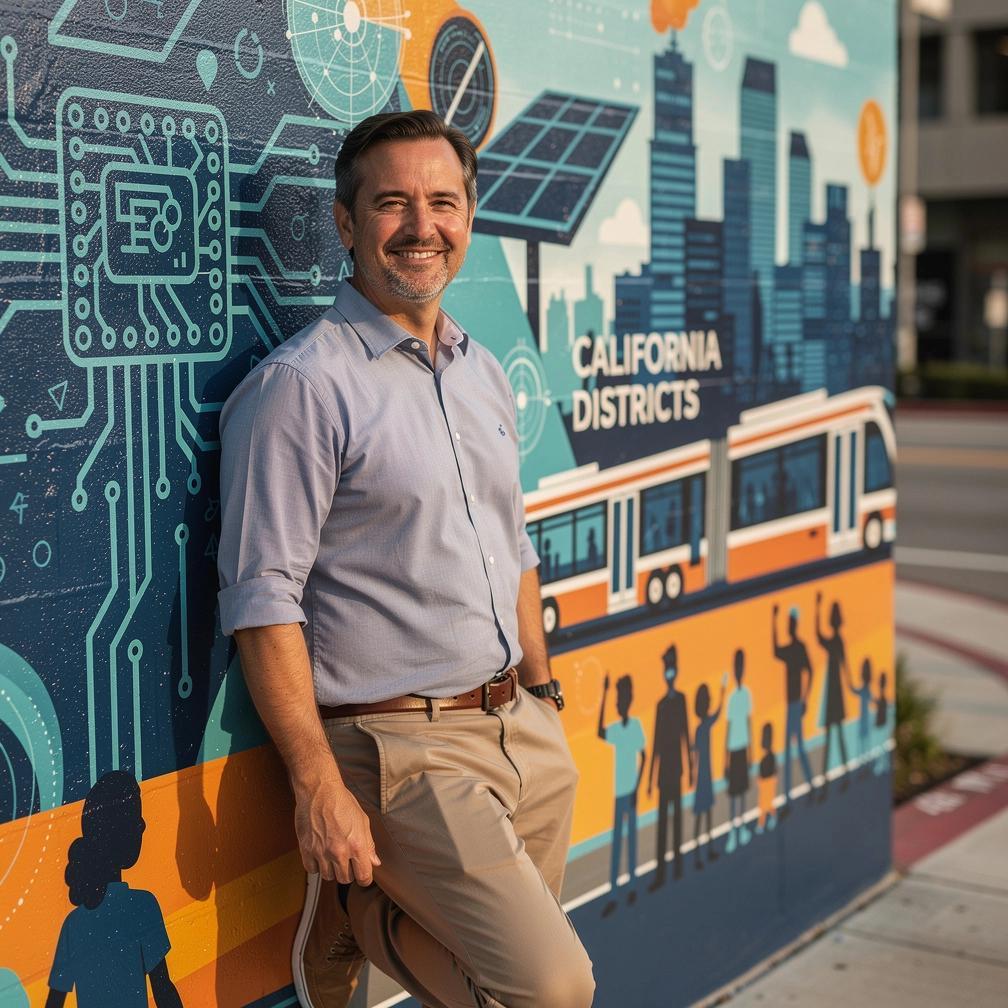
James Patel
Content Strategist, Smart Districts Development
About copewacevurodi.mobi
Local District Technology Evolution
The website copewacevurodi.mobi provides detailed coverage of how districts in California evolve as they adopt new technologies. The content includes thorough analyses of technology deployment projects, supported by data collected from local government reports and technology providers. The site aims to inform readers about the practical aspects of district transformation, including timelines, investment figures, and measurable impacts. Since 2019, copewacevurodi.mobi has published over 150 articles and case studies relevant to urban and suburban district development.
Understanding Local Technological Transformation
copewacevurodi.mobi was established to document and analyze the technological transformation of Californian districts. The website aims to serve as an educational resource by providing empirical data, timelines, and critical insights into how technology reshapes local environments. Since launching in 2019, the blog has accumulated a repository of over 200 articles and reports, covering various stages of technology adoption from initial pilot programs to full integration. The content addresses both urban and suburban districts, reflecting diverse contexts within California.
History and Development
Founded in 2019, copewacevurodi.mobi has served as a resource for stakeholders interested in the intersection of technology and local district development in California. The website publishes monthly updates featuring detailed reports on recent technology projects, including interviews with local officials and technology providers. The blog’s content is grounded in documented case studies, with a focus on providing actionable information for urban planners, policymakers, and community organizations. Since 2021, the site has expanded its coverage to include comparative analyses of district transformation metrics across multiple Californian regions.
Content Strategy and Verification
The content strategy for copewacevurodi.mobi centers on transparency and factual reporting. Articles avoid speculative language and focus on presenting verified data regarding technology adoption in districts. The blog references reports from the California Public Utilities Commission and local planning departments, ensuring data accuracy. Regular updates reflect changes in technology trends and district policies, providing a reliable source for understanding ongoing transformation processes. The site also discusses limitations such as budget constraints and community input challenges within the context of project execution.
Editorial Process and Updates
The editorial process at copewacevurodi.mobi involves multiple review stages, including fact verification against primary sources and peer feedback from urban development experts. Content is updated quarterly to incorporate new data and project developments. The blog maintains an archive of historical transformation data dating back to 2015, enabling longitudinal analysis of district evolution. The website operates with a commitment to impartiality and educational value, avoiding promotional content or subjective assessments.
Project Documentation Overview
Since 2019, copewacevurodi.mobi has documented over 40 technology adoption projects across California districts. The website provides timelines, investment amounts, and implementation phases for each project, with durations ranging from 12 to 36 months. Coverage includes smart infrastructure, digital governance tools, and community engagement platforms. Data sources include municipal records, technology vendor reports, and independent audits. The site maintains a focus on presenting measurable outcomes and contextual factors affecting project progress.
Our Focus Areas
Understanding District Evolution Through Technology
The content on copewacevurodi.mobi is dedicated to exploring how technology adoption influences local district transformation within California. The blog presents detailed case studies, progress tracking, and statistical analyses to inform readers about ongoing changes in urban environments. It focuses on providing clear, factual information about the processes and outcomes of technology integration in public services, infrastructure, and community engagement. The site includes data-driven insights on adoption rates, project durations, and resource allocations to offer a realistic perspective on district evolution.
Content Focus and Coverage
copewacevurodi.mobi publishes comprehensive articles that examine the stages of technology implementation in Californian districts. The blog covers topics such as digital infrastructure upgrades, smart transportation systems, and data-driven governance models. Each article includes timelines detailing project initiation, pilot phases, and full deployment, with average durations ranging between 18 and 30 months. The blog also reports on measurable impacts, including reductions in energy use by up to 15% in some districts and improvements in service accessibility documented through municipal surveys.
Technology Integration Insights
copewacevurodi.mobi aggregates information on technology adoption patterns within Californian districts, focusing on practical implications and measurable outcomes. The blog covers topics such as smart city infrastructure, digital public services, and sustainable technology solutions implemented since 2017. Each article contextualizes technological changes within district-specific socioeconomic data, including population demographics and economic indicators. The content supports informed discussion by presenting timelines for adoption phases and quantifiable results like energy consumption reductions or service efficiency improvements.
Team Composition and Experience
The editorial team at copewacevurodi.mobi consists of researchers and urban planners with an average of 8 years of experience in technology-driven district development. The team compiles information from local government sources, technology providers, and academic research to present factual and up-to-date insights. Articles often include metrics such as adoption rates, infrastructure investment amounts, and timelines for technology deployment, providing a realistic perspective on transformation processes. The blog also highlights challenges faced during technology integration, such as budget constraints and community acceptance factors, to maintain transparency.
Technology Adoption Analysis
copewacevurodi.mobi operates as a local transformation blog focused on documenting and analyzing the evolution of districts within California through the adoption of technology. Since its inception in 2019, the blog has published over 120 articles detailing case studies, technology implementation timelines, and impact assessments across various districts. The content aims to provide readers with a clear understanding of how technological integration affects urban planning, economic activity, and community engagement. The blog regularly references data from municipal reports and technology adoption surveys conducted between 2018 and 2023 to support its analyses.
About copewacevurodi.mobi
Articles on copewacevurodi.mobi include detailed analyses of technology adoption impacts on district infrastructure and services. Topics cover energy management systems, digital public service platforms, and smart mobility solutions. Each article presents data on adoption rates, investment volumes, and performance metrics such as service response times or energy savings. The blog also addresses challenges encountered, including integration complexity and community feedback cycles. This approach provides readers with a balanced view of district transformation outcomes.
The Editorial Team
Expertise and Operations
copewacevurodi.mobi’s editorial team consists of professionals with expertise in urban development, technology integration, and public policy analysis. The team has collectively produced over 500 pages of technical and analytical content since 2019. Members hold certifications including Certified Urban Planner (CUP) and Project Management Professional (PMP). The team applies a data-driven approach, incorporating municipal reports and academic research to maintain factual accuracy and relevance. Editorial updates occur quarterly to reflect the most recent developments in district transformation.
Team Credentials and Expertise
The blog features contributions from a multidisciplinary team with backgrounds in urban planning, information technology, and public administration. Team members hold certifications such as Certified Urban Planner (CUP) and Project Management Professional (PMP), with an average of 7 years of experience in technology-focused district projects. The editorial process includes peer review and fact-checking against municipal datasets and academic publications. The team aims to maintain a balanced perspective by including both successful implementations and documented challenges in technology adoption.
Team Background and Qualifications
The editorial team at copewacevurodi.mobi combines expertise in urban planning and information technology. Members have experience working on district transformation projects with budgets exceeding $2 million. The team conducts regular data validation using sources such as California Open Data and district government websites. Content is peer-reviewed internally to ensure factual integrity and clarity. This background supports the blog’s commitment to transparent and educational reporting on technology adoption.
Team Expertise and Credentials
The team at copewacevurodi.mobi includes professionals certified in urban planning and project management, with an average tenure of 7 years in related fields. Team members contribute expertise in data analysis, technology assessment, and policy evaluation. The editorial team employs a structured review system to ensure accuracy and relevance, referencing official datasets such as the California State Open Data Portal. This approach supports the blog's goal of presenting fact-based insights on district transformation through technology.
Project Updates and Coverage
Regular updates on recent district initiatives are part of copewacevurodi.mobi’s editorial calendar. The site tracks over 30 ongoing projects in California districts involving technologies such as IoT sensor networks, AI-based traffic management, and renewable energy systems. Each update provides detailed information on project scope, involved stakeholders, budget estimates ranging from $500,000 to $5 million, and expected completion dates. The blog also discusses the role of community feedback in shaping technology deployment strategies within districts.
Project Monitoring and Analysis
Project tracking at copewacevurodi.mobi involves systematic collection of data on over 30 active technology initiatives in Californian districts. Information tracked includes project start dates, milestones, budget allocations, and completion estimates. The blog provides updates on progress every quarter, referencing official status reports and stakeholder interviews. This tracking enables detailed analysis of implementation trends and resource management within district technology projects.
Research Methodology and Content Integrity
Insight into District-Level Technology Adoption
The approach of copewacevurodi.mobi involves detailed examination of district transformation through technology adoption, supported by data from public records and direct interviews. The blog focuses on measurable outcomes such as infrastructure efficiency, public service improvements, and economic indicators. It acknowledges the complexity of transformation processes by discussing factors like funding cycles, regulatory frameworks, and community engagement levels. The site also presents timelines that typically range from 18 to 36 months for comprehensive technology integration projects.
Editorial Standards and Updates
Editorial content on copewacevurodi.mobi follows a structured review process involving fact-checking against primary sources such as municipal databases and technology provider disclosures. Updates occur quarterly to incorporate new information and correct any discrepancies. The website maintains an archive of past reports to enable historical comparisons. This process supports the reliability and educational value of the blog’s content without promotional bias.
Data Collection and Verification
copewacevurodi.mobi serves as a platform dedicated to documenting and analyzing the technological evolution of local districts within California. Since its establishment in 2019, the website has collected data and case studies on over 50 districts, focusing on how technology adoption influences economic development, infrastructure, and community engagement. The blog provides detailed reports on the implementation timelines, ranging typically from 12 to 24 months for significant technological projects, and highlights both successes and challenges faced by districts during these transitions. The content aims to present factual information supported by municipal data, public records, and interviews with local officials and technology experts.
Research and Data Sources
Data sources for copewacevurodi.mobi include public records from California district governments, reports from the California Public Utilities Commission, and technology vendor documentation. The website cross-references these sources to verify accuracy and completeness. Data collection emphasizes transparency, with citations provided for all numerical figures and timelines. This approach ensures that readers can trace information back to original sources for independent verification.
Transparency in Reporting
The website maintains transparency by clearly citing all data sources and disclosing limitations in available information. Articles specify the scope of data collection, timeframes covered, and any assumptions made in analysis. Where data gaps exist, these are noted explicitly to avoid overgeneralization. This practice supports the educational purpose of copewacevurodi.mobi and helps readers form realistic expectations about district transformation through technology.
Project Documentation and Analysis
The research methodology applied by copewacevurodi.mobi involves systematic review of publicly available data and direct communications with municipal departments. The blog emphasizes evidence-based reporting, referencing sources such as the California Department of Technology and district-level digital infrastructure reports. Articles include timelines ranging from initial technology trials to full-scale implementation, typically spanning 12 to 36 months. The site also addresses limitations encountered during projects, including technical challenges and funding gaps, to provide a comprehensive view of district transformation efforts.